September 1, 2026
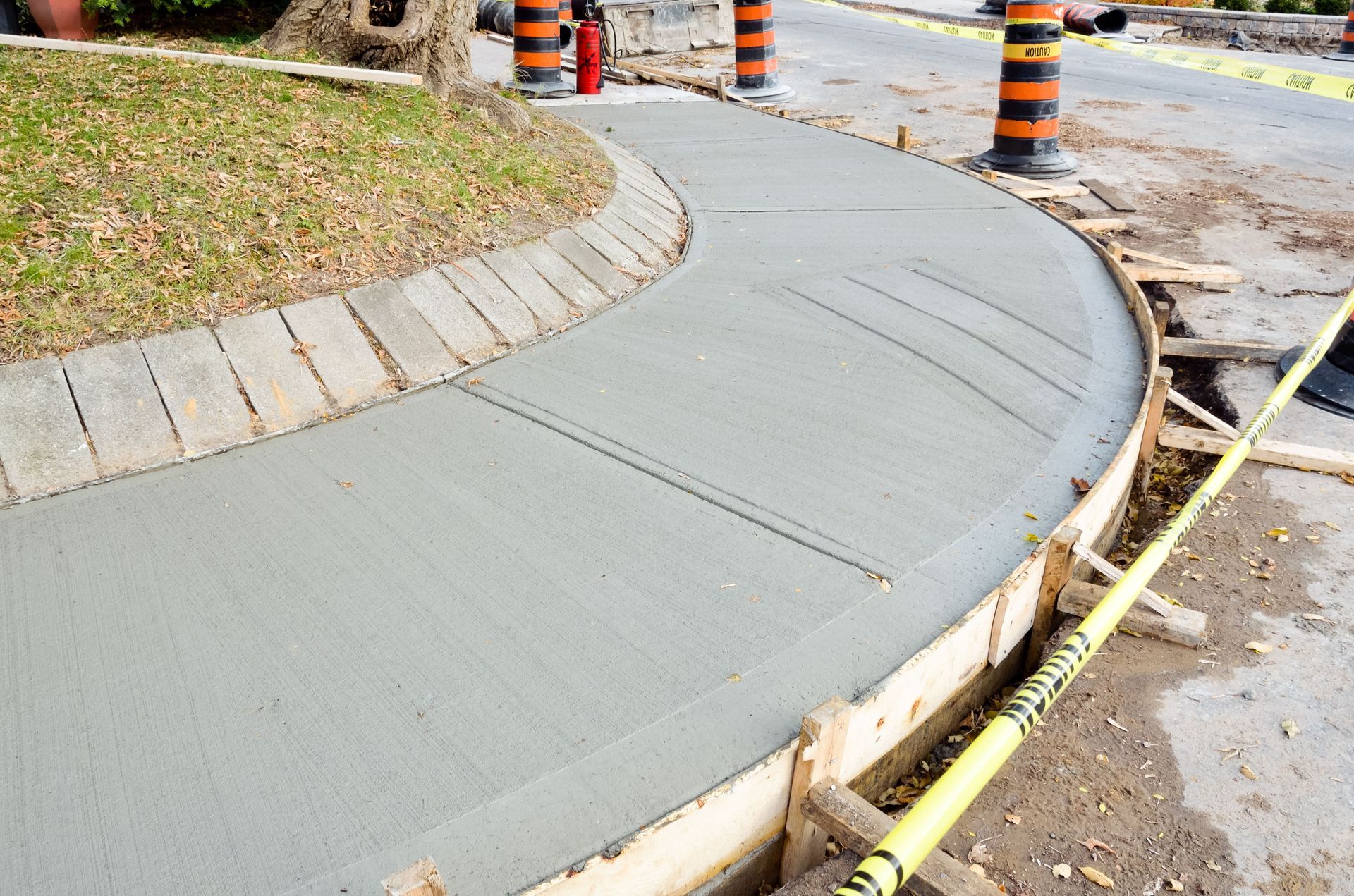
A well-planned outdoor space should be easy to move through, comfortable to use, and practical for people of different ages and mobility levels. Walkways play a major role in creating that kind of environment because they connect entrances, patios, driveways, gardens, and other areas around a property. Concrete is often used for these paths because it provides a firm, stable surface that can be shaped to fit a variety of layouts. Working with a local concrete company can help property owners create walkways that support smoother movement while also improving organization and safety. From reducing uneven terrain to providing clearer routes between frequently used areas, a properly designed concrete walkway can make outdoor spaces more accessible and easier to navigate. Understanding the specific ways a walkway can improve accessibility can help homeowners and property managers make more informed decisions when planning exterior improvements.
1. Creating a Stable Walking Surface
One of the biggest accessibility benefits of a concrete walkway is the stable surface it provides. Grass, gravel, dirt, and mulch can shift, become muddy, or develop uneven areas that make walking more difficult. Concrete creates a firmer path that is less likely to move underfoot. This can make everyday travel more predictable for people using canes, walkers, wheelchairs, strollers, or other mobility aids.
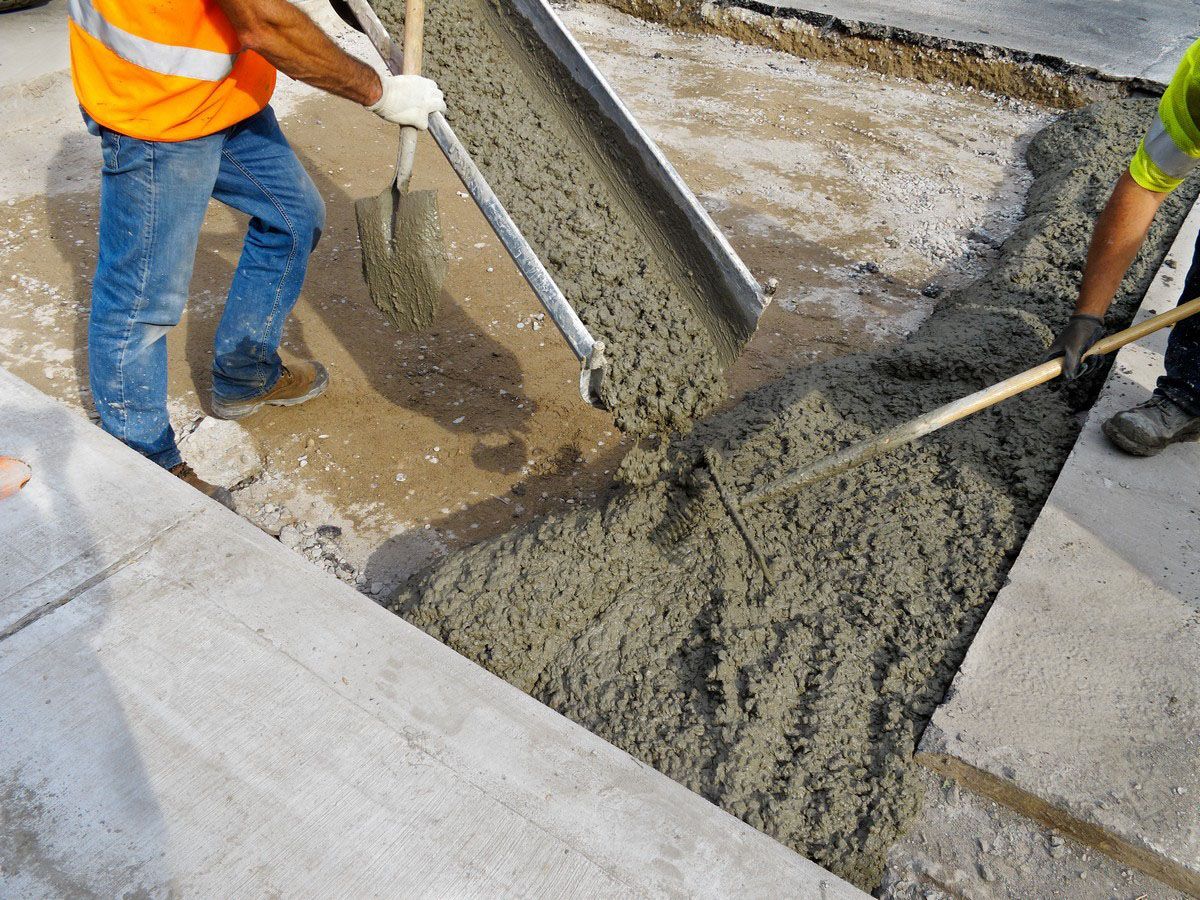
A local concrete company can also help make sure the walkway is installed on a properly prepared base so the surface remains dependable over time. Good preparation can reduce the chance of early settling, cracking, or uneven sections that could create tripping hazards. While no outdoor surface is completely maintenance-free, concrete offers a solid foundation that can make it easier for people to move between different parts of a property with greater confidence.
2. Reducing Changes in Elevation
Outdoor areas often include small slopes, steps, or uneven transitions that can make movement more difficult. A carefully planned walkway can create a smoother path between two areas by reducing abrupt elevation changes and using gradual slopes where appropriate. This can be especially helpful near entrances, patios, driveways, or garden spaces where a person might otherwise need to step over curbs or navigate unstable ground.
When a local concrete company designs the route, it can evaluate the existing grade and determine how to create a more manageable transition. The slope, thickness, drainage, and surrounding landscape all affect how the walkway should be installed. A well-planned path can help connect different elevations without creating sudden changes that make access more difficult. This can make the outdoor layout more comfortable for both everyday use and visitors with varying mobility needs.
3. Improving Route Definition
A clearly defined walkway makes it easier to understand how to move through an outdoor space. Without a designated path, people may have to cross lawns, navigate around landscaping, or choose between multiple uneven surfaces. A concrete walkway provides a visible route from one location to another, reducing uncertainty and helping users follow a more direct path.
Defined routes can be especially useful on larger properties or in areas with several entrances and outdoor features. A local concrete company can help position the walkway so it connects the most frequently used areas efficiently. The path can also be designed to avoid obstacles such as tree roots, drainage zones, or narrow spaces. By creating a clear circulation pattern, the walkway can make the property easier to navigate for residents, guests, delivery personnel, and service providers.
4. Supporting Mobility Devices
Wheelchairs, walkers, scooters, and other mobility devices generally perform better on surfaces that are firm, relatively smooth, and wide enough for safe passage. Loose stone, grass, or uneven pavers can make wheels harder to control and may require more effort to cross. Concrete provides a more consistent surface that can support smoother movement when it is installed with appropriate dimensions and transitions.
A local concrete company can consider walkway width, turning areas, slope, and connections to nearby surfaces during the planning stage. These details can help create a path that is easier to use with mobility equipment. Edge conditions also matter because abrupt drop-offs or narrow sections can reduce usability. Thoughtful design can make the walkway more practical for a wider range of people while still fitting naturally into the surrounding landscape.
5. Minimizing Common Trip Hazards
Trip hazards can develop when outdoor surfaces become uneven, loose, or poorly maintained. Roots, ruts, shifting gravel, and broken pavers can all make walking more difficult. A properly installed concrete walkway can reduce many of these problems by creating a continuous surface with fewer loose materials and irregular joints. This can be particularly useful in high-traffic areas where people regularly move between the home, driveway, and yard.
According to Home Grail, concrete begins to melt at approximately 1,550 degrees Celsius. Although that property is not directly related to accessibility, it reflects the material's ability to withstand extreme heat compared with many other building materials. A local concrete company can select an appropriate mix, thickness, and reinforcement method based on the project conditions. Proper installation and maintenance can help the walkway remain durable and reduce the likelihood of surface deterioration that could eventually create uneven walking areas.
6. Improving Access During Wet Weather
Rain can quickly make grass, soil, and other natural surfaces slippery or muddy. These conditions can be inconvenient for anyone but may be particularly difficult for people who rely on steady footing or mobility devices. A concrete walkway provides a designated surface that remains more usable during wet conditions compared with soft ground. Proper drainage can also help prevent standing water from collecting along the path.
A local concrete company can plan the slope so water is directed away from the walkway and nearby structures. Surface texture can also be considered because overly smooth concrete may become slippery when wet. A lightly textured finish can provide additional traction without making the surface uncomfortable to use. These details can make the walkway more dependable throughout changing weather conditions and reduce the need to cross muddy or unstable areas after rainfall.
7. Connecting Important Outdoor Areas
Accessibility improves when important areas of a property are connected logically. A concrete walkway can link the front entrance to the driveway, connect a patio to a garden, provide a route to a detached garage, or create easier access to another outdoor feature. Instead of forcing people to take indirect or difficult routes, a walkway can establish a more efficient connection between spaces that are used regularly.
Working with a local concrete company can help property owners determine which connections would provide the greatest practical benefit. The route can be planned around existing landscaping, structures, drainage patterns, and property boundaries. In some cases, adding a walkway can also reduce wear on lawns by concentrating foot traffic along a defined path. This creates a more organized outdoor layout while making important areas easier to reach.
A concrete walkway can improve outdoor accessibility in several practical ways, from creating a stable walking surface to supporting mobility devices and improving access during wet weather. It can also reduce abrupt elevation changes, define clear travel routes, minimize common trip hazards, and connect important areas of a property more efficiently. The quality of the finished walkway depends heavily on planning, site preparation, drainage, dimensions, and installation methods. Property owners who want to make outdoor spaces easier to navigate should consider how the path will be used and who will rely on it most often. For help designing and installing a durable walkway that supports safer and more convenient outdoor movement, contact Quinn Concrete Construction LLC today.