March 5, 2026
Concrete is a foundational element in the construction industry, underlying the vast majority of our human-made structures. From residential homes to towering skyscrapers, concrete is integral to modern infrastructure. However, the quality and longevity of these structures are heavily dependent on the expertise of the professionals handling the concrete work.
Professional concrete companies are vital due to their expertise and ability to deliver reliable, long-lasting results. They play a crucial role in diverse construction projects, ensuring safety, compliance, and environmental responsibility are upheld. Their impact extends beyond construction, influencing economic and social aspects as well.
This article explores the many reasons why choosing a professional concrete company is indispensable. By examining their expertise, safety standards, project management, cost-efficiency, environmental responsibility, and customer satisfaction, we can understand the broader significance of these companies. According to IBISWorld, the concrete contractors market size in the U.S. was $110.4 billion in 2025, which demonstrates the market potential and necessity of professional companies.
Material Properties
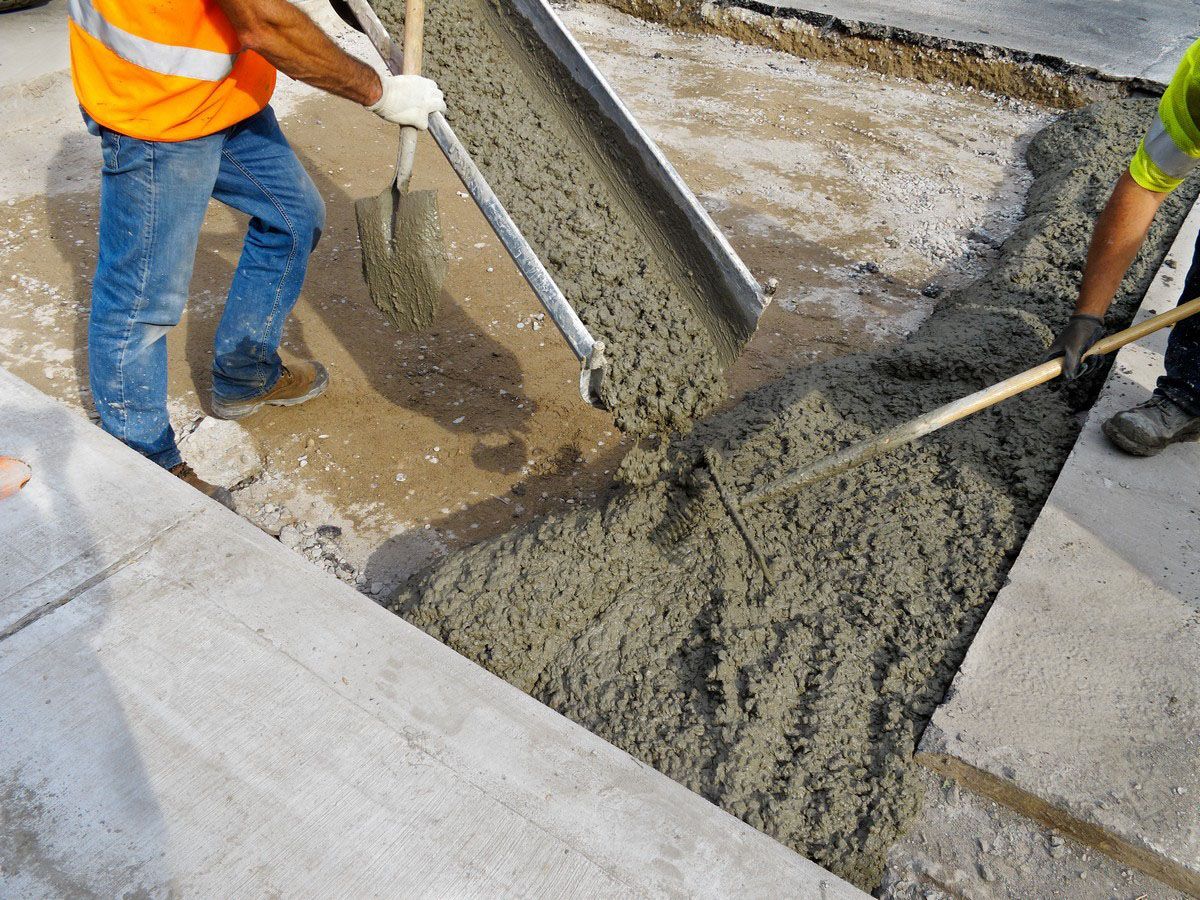
Professional concrete companies possess an advanced understanding of the material properties essential for successful project outcomes. Concrete is a complex mix of cement, water, gravel, and sand, with its behavior influenced by proportions, temperature, humidity, and other conditions. Experts in the field can predict how these properties affect drying time, durability, and structural integrity. They design mixes tailored to specific project needs, enhancing performance and longevity. This deep knowledge of material behavior allows professionals to mitigate common issues such as cracking or premature degradation.
Understanding material properties also involves staying informed about the latest advancements and formulations. Professionals leverage innovative products and techniques to improve efficiency and outcomes. For instance, they may use special admixtures to increase workability or reduce water usage without compromising strength. Continual education and adaptation ensure professionals provide the best solutions for diverse construction challenges. This expertise plays a vital role in ensuring that every project stands the test of time.
Moreover, their understanding extends to new sustainable materials that minimize environmental impact. Innovations like permeable concrete, which allows water to pass through, help manage stormwater and support urban sustainability initiatives. By incorporating these newer materials, professional companies demonstrate their commitment to environmentally responsible construction. This knowledge integrates into every stage of the project lifecycle, ensuring projects are not only successful but also pioneering in sustainability efforts.
Skilled Workforce
The effectiveness of a professional concrete company is largely supported by its skilled workforce. Workers at these companies undergo rigorous training to build a strong foundation in concrete science, safety procedures, and project execution. This training equips them with the necessary skills to handle sophisticated machinery and techniques, which are essential for high-quality results. Skilled workers apply their knowledge to execute complex designs and overcome challenges that untrained workers might find impossible. Their expertise ensures projects are completed efficiently, meeting clients' expectations for quality and safety.
A skilled workforce contributes to the adaptability of professional companies in navigating unexpected project developments. Workers are trained to identify potential issues early and implement effective solutions without significant delays or cost implications. This proactive approach minimizes disruptions and maintains project momentum. Skilled teams work collaboratively, sharing insights that foster innovation and drive continuous improvement in processes and results. Companies with trained staff not only complete tasks correctly the first time but also adapt to new technologies and methodologies in the evolving construction landscape.
These companies maintain and enhance their skills through continuous education and training initiatives. Regular workshops and certifications keep workers updated on the latest industry standards and innovations, equipping them with knowledge that translates into superior service. Professional companies invest in their employees' growth, recognizing that their capability is directly linked to the quality of work and client satisfaction. This commitment to development promotes a culture of excellence and accountability within the workforce, a cornerstone of professional concrete companies.
Quality Assurance Processes
Quality assurance is a defining characteristic of a professional concrete company, ensuring that every step in the construction process meets industry standards. These companies implement rigorous quality control measures from the beginning to the end of each project. By setting clear standards and conducting regular inspections, they maintain high quality at every phase. This systematic approach helps to identify defects or inconsistencies early, preventing costly rework and ensuring structural integrity. A focus on quality assurance results in higher durability and client satisfaction.
Advanced tools and technologies are often employed to enhance quality assurance processes. Professional companies may use computer-aided design (CAD) software to simulate stress tests and verify design specifications before physical construction begins. They also utilize modern testing methods to validate material properties such as strength and elasticity. By leveraging these technologies, companies can predict potential issues and propose effective solutions, ensuring every project matches its design specifications. This integration of technology into quality assurance processes represents a commitment to excellence.
Client feedback is another critical component driving ongoing improvements in these processes. Professional companies value client input and use it to refine their methods and ensure they meet customer expectations. A comprehensive quality assurance framework is responsive to the changing needs of the industry, integrating the best practices and innovations in construction and materials science.
Advanced Techniques and Equipment
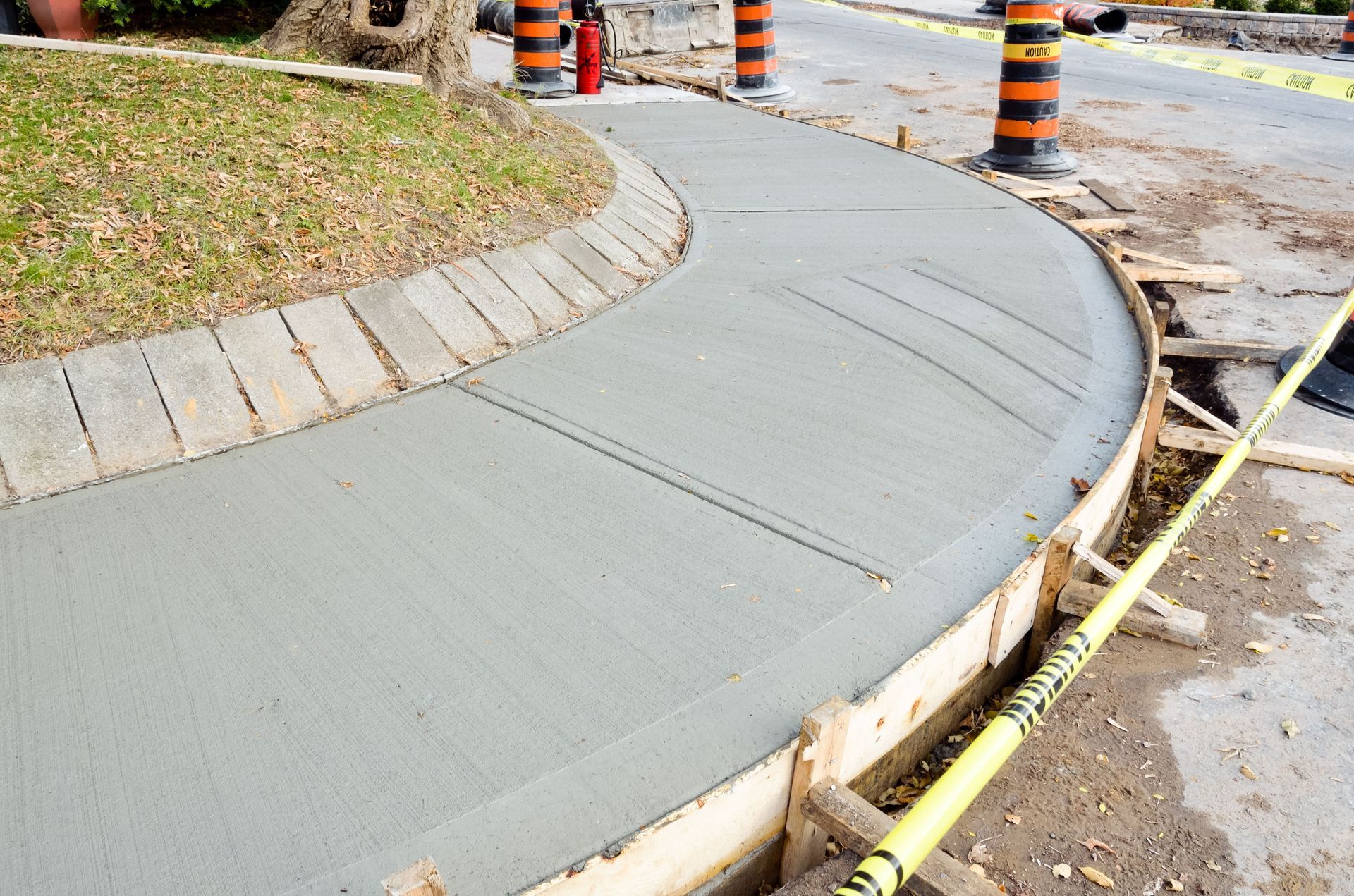
Professional concrete companies are at the forefront of employing advanced techniques and equipment that enhance efficiency and outcomes. Innovations such as laser screeding systems enable precise leveling, improving the smoothness and evenness of finished concrete surfaces. These advanced techniques reduce the time needed for installation and finishing, making projects more cost-effective. Professional companies invest in the latest machinery that allows for faster, safer, and more efficient completion of tasks. The strategic use of technology from a concrete company supports accuracy and quality while meeting stringent deadlines.
Beyond equipment, advanced concrete techniques such as pre-cast elements or rapid curing processes demonstrate the ingenuity of professional companies. Pre-casting, for example, involves pouring concrete into a mold in a controlled environment, resulting in uniform quality and faster on-site assembly. This method enhances efficiency while reducing weather-related delays typical in traditional on-site pouring. Rapid curing techniques employ heat or chemical accelerants to speed up the drying process without compromising strength, which can be critical in projects with tight timelines.
Problem-Solving Capabilities
Professional concrete companies distinguish themselves through their robust problem-solving capabilities. The construction industry is rife with unpredictable challenges, from adverse weather to unforeseen site conditions. Companies with a skilled workforce and experience navigate these challenges efficiently, minimizing project delays and extra costs. Their adept use of technology provides real-time solutions by identifying potential issues early and implementing corrective actions promptly. The presence of experienced problem solvers ensures projects are executed smoothly, even when unexpected difficulties arise.
Effective problem-solving involves a proactive mindset that anticipates and mitigates risks before they affect the project. Professionals employ comprehensive risk assessments during the planning phase to identify potential problem areas. Solutions are integrated into the project strategy, demonstrating foresight in addressing issues like soil instability, environmental conditions, or supply chain disruptions. By preparing for these contingencies, professional companies lessen the impact of unforeseen disruptions, thereby ensuring timely project completion.
Hiring a professional concrete company is an investment in durability, safety, and long-term value. Their technical knowledge, skilled workforce, advanced equipment, and commitment to quality deliver results that withstand time and environmental stress. By combining innovation with proven practices, these companies strengthen both individual projects and the broader construction industry. For a professional concrete company, contact us today at Quinn Concrete Construction LLC.