November 6, 2026
A concrete driveway handles more than the daily movement of vehicles. It also faces rainfall, changing temperatures, and repeated pressure in the same areas. While concrete is known for its strength, its lifespan depends on decisions made before the first pour and on the conditions it encounters afterward. A driveway that looks smooth when it is new may still develop problems if the underlying ground, drainage, or installation details are overlooked.
Understanding what influences durability can help homeowners recognize why driveway replacement involves more than choosing a surface finish. It can also make conversations with a local driveway contractor more useful when an older surface shows several kinds of wear. From the ground beneath the slab to the way it accommodates movement, five factors play a particularly important role in how well a concrete driveway holds up over time.
1. How Thoroughly the Site Is Prepared
The stability of a concrete driveway begins below the visible surface. When the soil or supporting base beneath a slab is uneven or unstable, sections of concrete can settle differently. That movement places stress on the slab, potentially contributing to cracks, low spots, and uneven edges. Even well-finished concrete cannot compensate indefinitely for a foundation that does not provide consistent support.
For a replacement project, preparation begins with removing the deteriorated driveway and examining the exposed area before new concrete is placed. The condition of the ground, the space available for the new slab, and any existing settlement deserve attention. A local driveway contractor can evaluate how site conditions may affect the replacement and prepare the area for a more stable installation. The objective is to give the new surface dependable support rather than simply covering over the problems that affected the old one.
Site preparation also influences the final shape and usability of the driveway. If an existing surface has become uneven or no longer meets the property's needs, addressing those conditions during replacement creates an opportunity for a better-performing layout. The work beneath the concrete may not be visible once installation is complete, but its effects can remain apparent for years.
2. Whether Water Drains Away Effectively
Water creates problems when it repeatedly collects on a driveway or settles into areas beneath and around it. Persistent pooling can make the surface less convenient to use, while moisture entering vulnerable areas may contribute to movement in the supporting ground. In climates with freezing temperatures, water that freezes and expands can place additional stress on cracks and joints. These effects often develop gradually rather than appearing after a single storm.
A driveway's slope and surrounding site conditions determine where rainwater travels. An appropriate finished grade helps move water away instead of allowing it to linger in low spots. During a replacement, a local driveway contractor can consider drainage concerns as part of site preparation and concrete finishing. The best approach depends on the property's existing elevations and where water naturally flows; a visually level-looking surface is not always the one that drains effectively.
Drainage is particularly important when the old driveway already shows areas of standing water, settlement, or recurring surface deterioration. Those signs can point to conditions worth evaluating before the replacement takes shape. Good water management cannot eliminate weather exposure, but it can reduce the repeated moisture-related stresses that shorten a driveway's useful life.
3. The Quality of Pouring, Finishing, and Curing
Concrete is used on an enormous scale, but that does not mean every installation performs the same way. According to Home Grail, approximately 4.4 billion tons of concrete are produced worldwide each year. Its widespread use reflects its versatility, yet the durability of an individual driveway still depends on how the material is placed, finished, and allowed to gain strength.
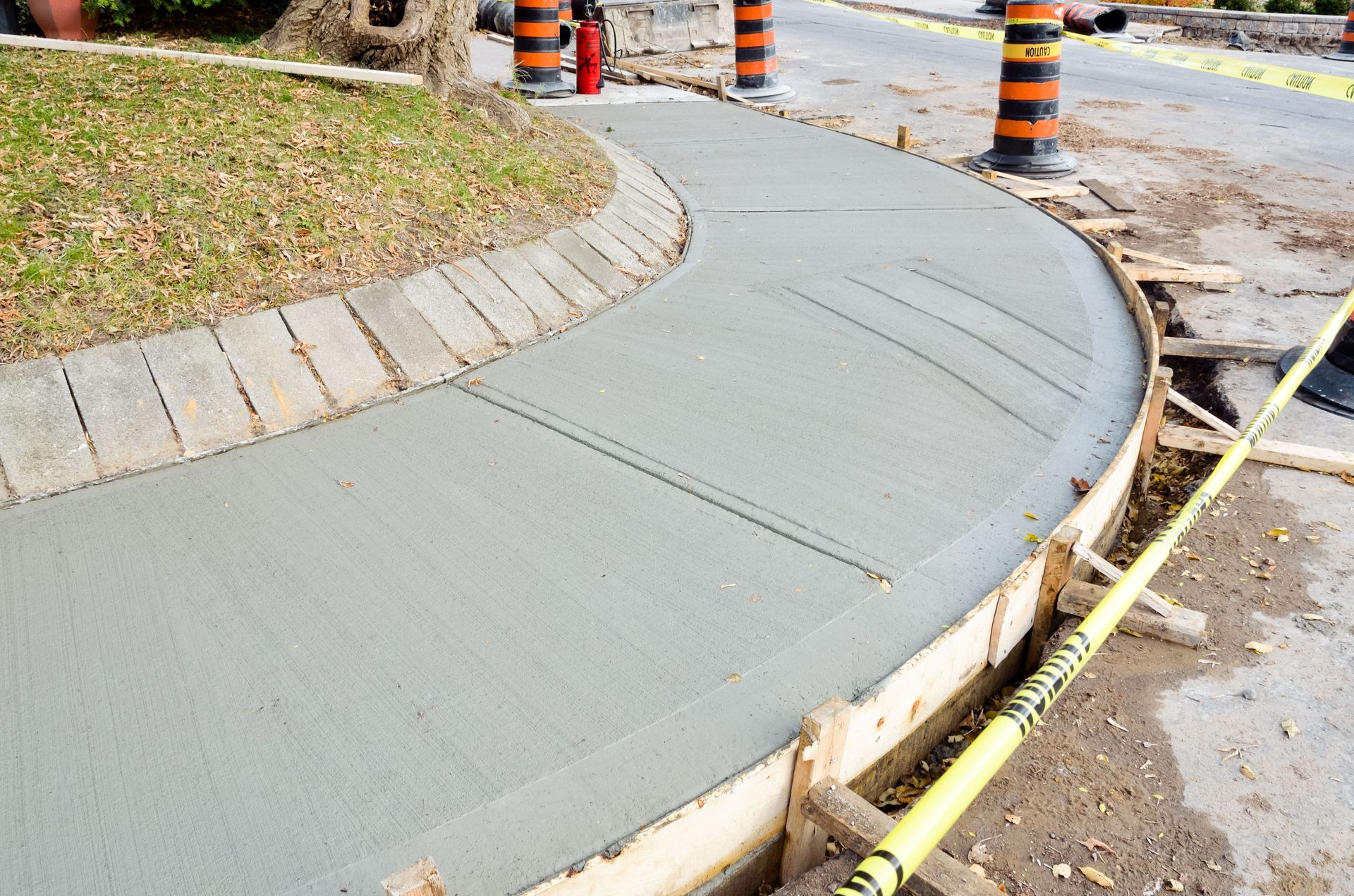
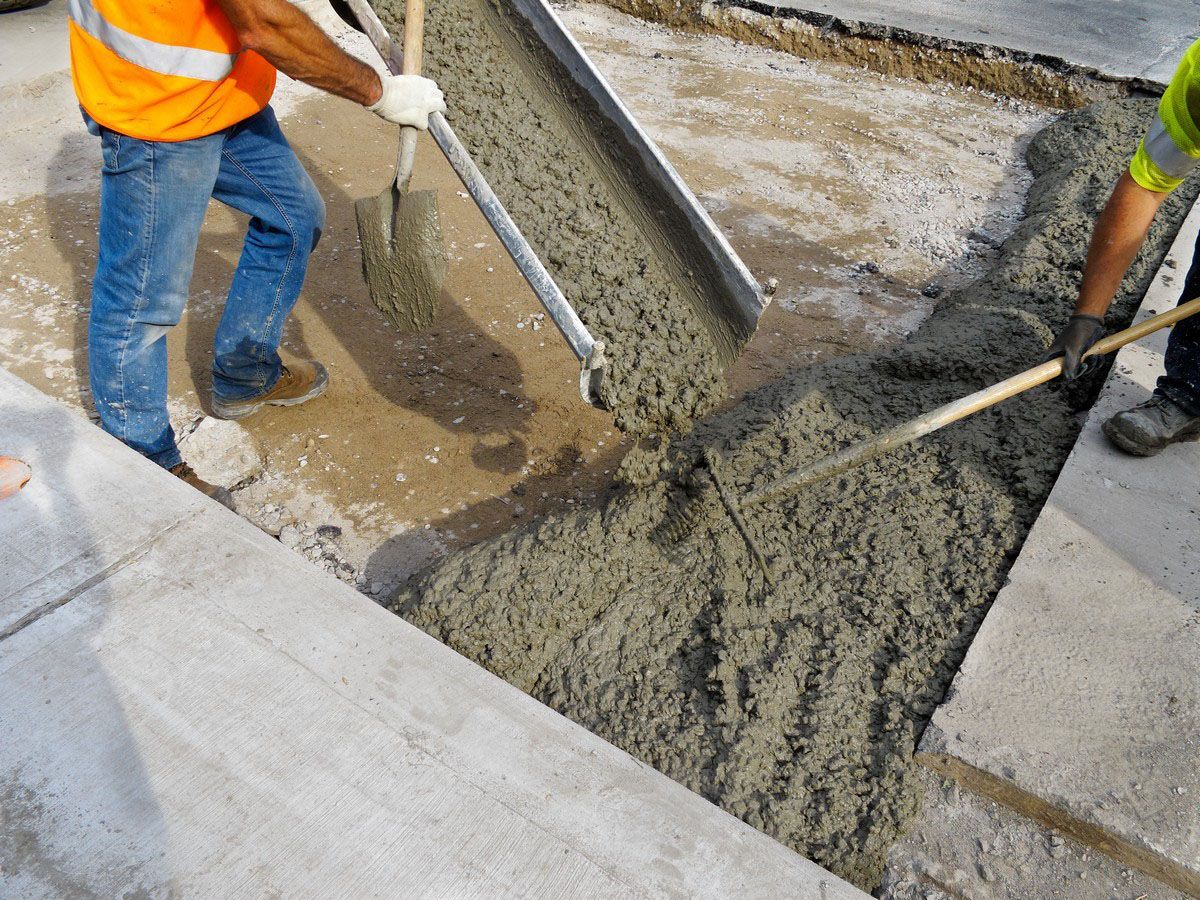
During installation, concrete needs to be placed and finished with attention to the intended surface and working conditions. The timing of finishing matters because the material changes as it sets. Rushing the work or treating surface appearance as the only goal can undermine the quality of the finished slab. A local driveway contractor must consider how these steps work together so that the result is more than a visually appealing surface.
Curing is equally significant. Newly placed concrete gains strength through a process that requires suitable moisture and temperature conditions over time. If that process is disrupted, the surface may become more vulnerable to early wear or cracking. Professional sealing, when appropriate for the installation, offers another measure of surface protection, but it cannot replace proper curing. A strong driveway depends on the relationship among these stages, from the original pour to the time the surface is ready for ordinary use.
4. How the Driveway Accommodates Movement
Concrete is strong under compression, but it is not immune to changes in temperature or movement within its surroundings. A driveway expands and contracts as conditions change, while nearby structures and adjoining slabs may respond differently. If sections have no suitable room to move where they meet fixed features, stresses can build along those connections. Over time, this pressure may contribute to cracking or damage at the edges.
Expansion joints help accommodate movement at appropriate locations, particularly where concrete meets another fixed surface or structure. Their placement is one of several details that affect how a finished driveway responds to environmental changes. Planning these connections with a local driveway contractor allows expansion joints to be considered alongside the driveway's overall layout, rather than as an afterthought.
Joints do not make concrete crack-proof. Shrinkage, settling, and heavy use can still produce damage, and different types of movement call for different design considerations. Their value lies in allowing the slab to respond more predictably at critical connections. When planned alongside the driveway's overall configuration, expansion joints contribute to an installation designed for real conditions rather than a perfectly motionless surface.
5. The Demands of Daily Use and Weather
A driveway's long-term condition also depends on what happens after installation. Repeated vehicle traffic places pressure on the surface, and heavier-than-anticipated loads can create demands beyond those associated with ordinary residential parking. Sharp changes in temperature, prolonged moisture, and seasonal freezing can add to that stress. Wear may first show up as small cracks or surface irregularities before becoming a more noticeable problem.
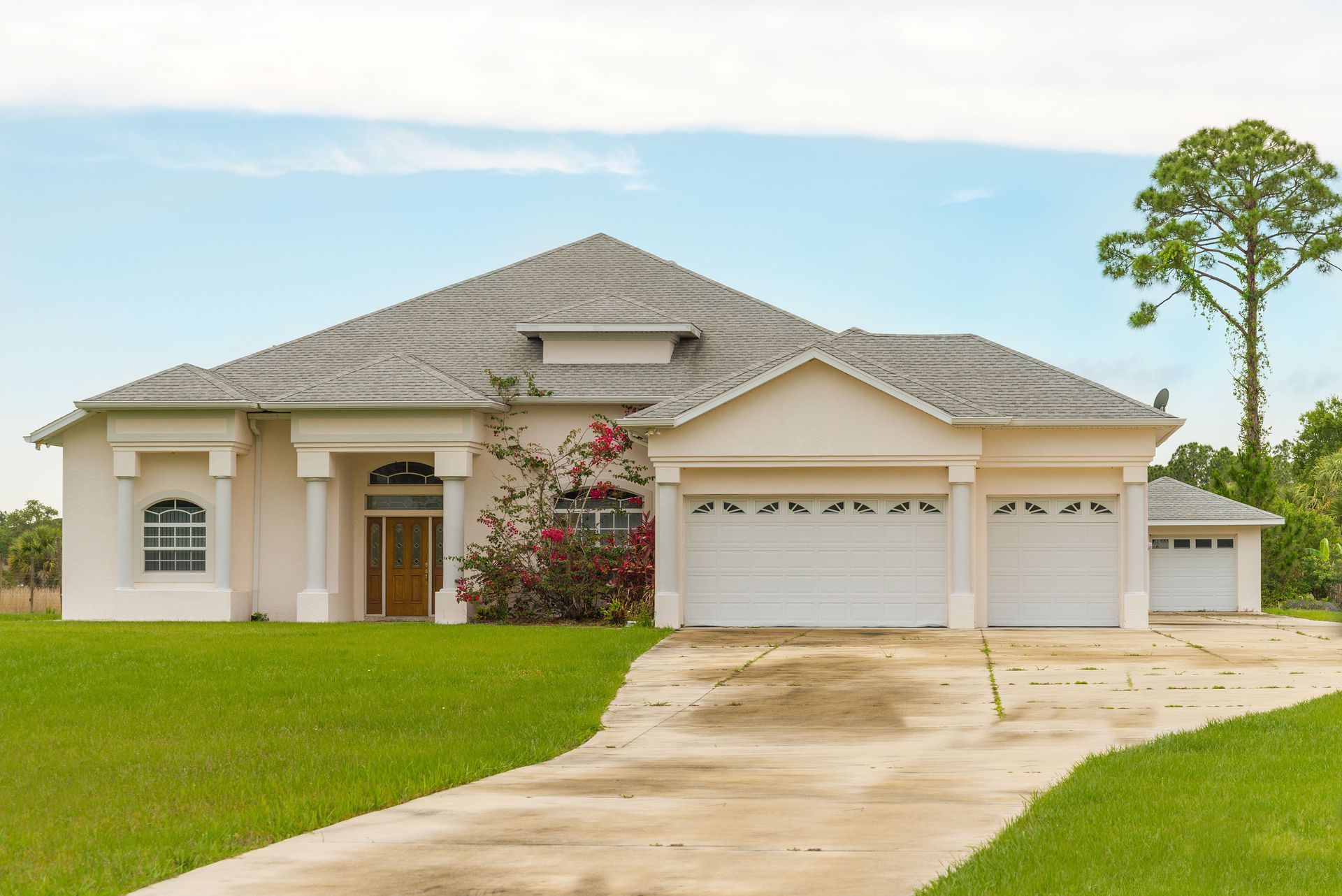
Understanding how the driveway will be used is therefore relevant before the concrete is poured. A local driveway contractor can discuss the property's space and functional needs during replacement planning, especially if an older driveway is too narrow or no longer suits the vehicles that regularly use it. Designing around intended use helps avoid a mismatch between the finished surface and everyday demands.
Care after installation matters as well. Respecting the recommended curing period before regular traffic helps prevent premature stress, while keeping an eye on developing cracks or drainage problems makes changes easier to recognize. Sealing may help protect the surface when appropriate, although no treatment removes the effects of weather or ordinary aging. Longevity is best understood as the result of sound installation combined with realistic expectations for how the driveway will be used.
A concrete driveway is a long-term part of a property's daily function, and its performance is shaped by details that may be easy to overlook at first glance. Understanding those details makes it easier to approach replacement with clear priorities and discuss those needs with a local driveway contractor. At Quinn Concrete Construction LLC, we provide concrete driveway removal and replacement with attention to preparation and installation details. We invite you to contact us to discuss your driveway's condition and whether replacement suits your property.